
Samsung Electronics Labor Dispute Threatens Global Telecom Supply Chain as Chip Strike Looms

According to a report from ETTelecom published on May 18, 2026, Samsung Electronics and its largest labor union have resumed critical pay negotiations under the shadow of a potential strike, a development that could severely disrupt the global supply of DRAM, NAND flash, and advanced logic chips essential to 5G infrastructure, mobile networks, and cloud data centers. The standoff between the tech giant, which reported 2025 revenue of KRW 302.23 trillion (~$220 billion USD), and the National Samsung Electronics Union (NSEU), representing over 28,000 workers, underscores a critical vulnerability in the telecom equipment ecosystem. For network operators, infrastructure vendors, and investors, this labor unrest represents a direct threat to hardware supply chains for everything from core routers and baseband units to smartphones and edge servers.
Technical and Market Deep Dive: The Stakes for Telecom Hardware

The immediate telecom impact centers on Samsung’s dominant position in memory and foundry segments. Samsung is the world’s largest producer of DRAM (Dynamic Random-Access Memory) and NAND flash, holding approximately 40% and 30% market share respectively. These components are non-negotiable for modern telecom infrastructure. DRAM is critical for the high-speed buffering and processing in core network switches, 5G Radio Access Network (RAN) equipment from vendors like Ericsson and Nokia, and data center GPUs used for AI-driven network optimization. NAND flash provides the storage for network operating systems, virtualized network functions (VNFs), and subscriber databases.
Beyond memory, Samsung Foundry is a Tier-1 contract manufacturer for advanced logic and system-on-chip (SoC) designs. Its 3nm and upcoming 2nm process nodes are slated to produce chips for key telecom silicon vendors, including Qualcomm’s next-generation Snapdragon X-series modems and NVIDIA’s Grace Hopper superchips used in AI-for-RAN applications. A coordinated strike halting production at Samsung’s Pyeongtaek and Hwaseong fabrication plants would create immediate bottlenecks. The union has signaled its willingness to take industrial action, having secured a strike mandate earlier this year. The current talks, facilitated by the National Labor Relations Commission, are the last formal step before a full-scale walkout can be legally initiated.
The financial demands are substantial. The NSEU is pushing for a 6.5% base salary increase and a one-time bonus equivalent to 200% of monthly wages, retroactive to January 2026. Samsung’s initial offer reportedly fell short, setting the stage for conflict. For context, a one-week full production stoppage at Samsung’s major fabs could translate to a loss of over $1 billion in output, with ripple effects delaying network rollouts and hardware deployments globally.
Industry Impact: Operators, Vendors, and the Competitive Landscape

The telecom industry’s just-in-time inventory models and long lead times for specialized hardware make it acutely vulnerable to semiconductor supply shocks. A strike at Samsung would have a cascading effect:
- Network Operators (MNOs): Mobile Network Operators planning 5G-Advanced and early 6G trials depend on a steady flow of new radio units and core hardware. Delays in receiving equipment from vendors like Samsung Networks, Ericsson, and Nokia would directly impact rollout schedules, spectrum utilization, and service launch timelines. Operators in competitive markets like India, the United States, and parts of Europe could face competitive disadvantages if key network upgrades are delayed.
- Infrastructure Vendors: Companies like Nokia and Ericsson, while designing their own chips, rely on Samsung and other foundries for manufacturing. Ericsson’s Silicon and Nokia’s ReefShark processors are produced at external fabs. A strike disrupts their supply, forcing a scramble for alternative capacity at TSMC or Intel Foundry, which are already operating at high utilization for other clients. This would increase costs and lead times for RAN and core network equipment.
- Device Ecosystem: The smartphone and CPE (Customer Premises Equipment) market would face immediate pressure. Samsung is both a major supplier of components (memory, displays, camera sensors) to other OEMs like Apple and Xiaomi, and a leading device manufacturer itself. A strike could constrain the supply of Galaxy smartphones and 5G hotspots, affecting consumer and enterprise connectivity segments.
- Competitive Dynamics: The primary beneficiary of a prolonged Samsung disruption would be its arch-rival, SK Hynix, in the memory market, and TSMC in the foundry space. However, neither has sufficient idle capacity to absorb a major, sustained shortfall from Samsung. This would lead to spot price increases for memory chips and longer lead times for foundry services, squeezing margins for all hardware manufacturers and ultimately increasing CapEx costs for telecom operators.
Strategic Implications for Global Telecom and African/MENA Markets
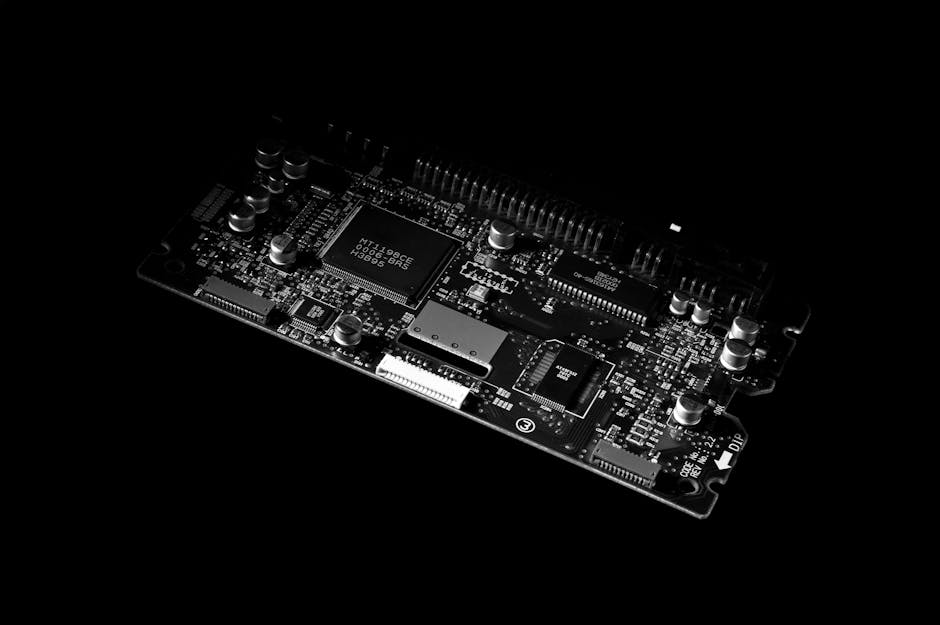
The potential strike arrives at a precarious moment for global telecom infrastructure investment. Operators worldwide are navigating high interest rates and substantial capital expenditures for 5G standalone (SA) cores and fiber backhaul expansion. A supply shock from a key component supplier like Samsung could force a re-evaluation of deployment agility.
For the African and MENA regions, the implications are particularly acute. Many operators in these markets rely on cost-effective hardware from vendors like Huawei, ZTE, and Samsung Networks itself, all of which utilize Samsung semiconductors. A strike-induced shortage or price hike could delay national broadband projects and 5G expansions in countries like Saudi Arabia, the UAE, Nigeria, and South Africa, where governments have set aggressive digital transformation targets. Projects like Egypt’s “Digital Egypt” and Saudi Arabia’s Vision 2030 depend on timely infrastructure deployment.
Furthermore, the labor dispute highlights a broader strategic risk: the extreme geographic concentration of advanced semiconductor manufacturing. Over 60% of the world’s memory chips and nearly 90% of the most advanced (<10nm) logic chips are produced in South Korea and Taiwan. This geopolitical and operational concentration presents a single point of failure for the global telecom industry. The situation may accelerate existing trends toward supply chain diversification, including increased investment in fabs in the US, Europe, Japan, and India under various government incentive schemes. Telecom operators and their industry associations may begin to lobby for more resilient, geographically distributed semiconductor policies.
Conclusion: Forward-Looking Analysis for the Telecom Sector

The Samsung labor negotiations are more than a localized industrial relations issue; they are a stress test for the telecom industry’s supply chain resilience. Whether a strike is averted or not, the event will likely have lasting consequences.
In the short term, network operators should audit their vendor hardware pipelines and engage with suppliers on contingency plans. Inventory buffers for critical spares and new build equipment may need review. Infrastructure vendors should be pressured to transparently communicate their exposure to Samsung fabs and detail mitigation strategies.
Long-term, the industry must confront its deep dependency on a handful of chipmakers in geopolitically sensitive regions. This may drive increased investment in open RAN architectures, which theoretically allow for more interchangeable components, though many underlying chips remain proprietary. It also strengthens the business case for network virtualization and cloud-native functions, which can abstract some hardware dependencies, though they still ultimately run on physical silicon.
The outcome of the Samsung talks will be closely watched by CTOs and supply chain managers across the telecom sector. A swift resolution is in everyone’s interest, but the mere existence of this threat underscores the need for a more robust and diversified technological foundation for global connectivity.
About the Author