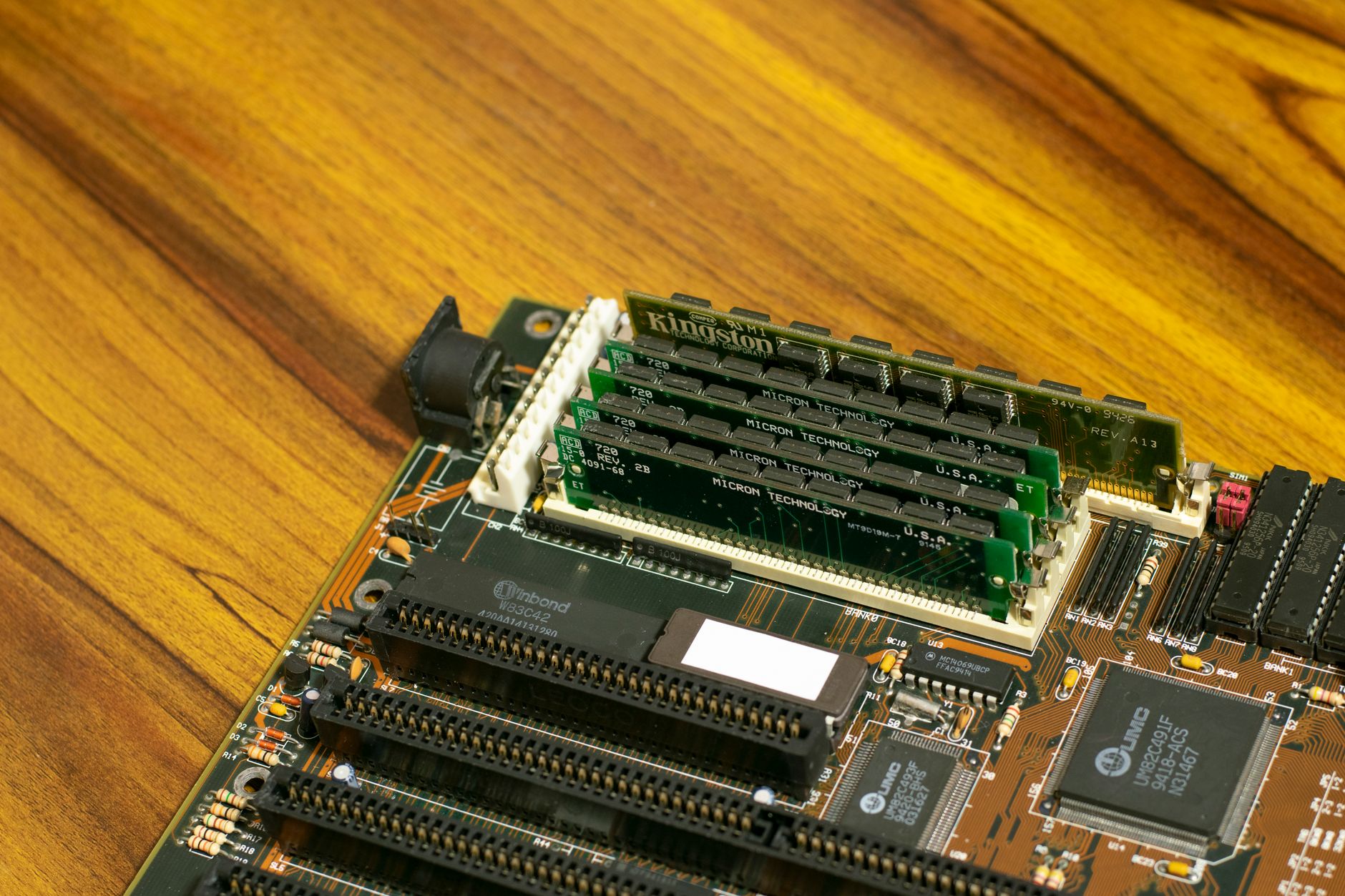
Analysis of a report from ETTelecom, dated August 22, 2026, indicates a significant recalibration in investor sentiment towards memory chip manufacturers, with major implications for global telecom network infrastructure rollouts. Stocks for key suppliers like Micron Technology, Western Digital, and Seagate Technology Holdings are facing headwinds as institutional "smart money" exits positions, driven by rising interest rates and a cooling of the artificial intelligence (AI) investment hype cycle. For telecom operators and network builders, this market shift signals potential near-term volatility in pricing and supply for critical data center and edge computing components, but also a longer-term opportunity for strategic procurement as capital expenditure (CapEx) pressures mount.
Market Dynamics: The End of the AI-Fueled Memory Boom

The recent downturn in memory stocks, highlighted by the exit of major institutional investors, is not merely a financial correction but a reflection of fundamental supply-demand recalibrations critical to the telecom sector. The previous 18-24 months saw an unprecedented surge in demand for high-bandwidth memory (HBM), NAND flash, and DRAM, driven by massive investments in AI training clusters and hyperscale data center expansions. Companies like Micron became bellwethers for this trend. However, ETTelecom’s analysis points to a "smart money" exodus as macroeconomic conditions—specifically rising interest rates increasing the cost of capital—make large-scale, speculative tech investments less attractive.
From a technical procurement standpoint, this creates a bifurcated market. While demand for AI-optimized memory (e.g., HBM3E) remains structurally strong, the broader market for commodity DRAM and NAND used in enterprise storage, cloud servers, and telecom edge data centers is experiencing a correction. This is evidenced by falling spot market prices and inventory build-ups reported by manufacturers. For network operators planning large-scale data center builds for 5G core, Open RAN workloads, or network function virtualization (NFV), this environment presents a critical planning variable. The cost of server memory, which can constitute 20-30% of total server cost, is now in flux, potentially improving the business case for network cloudification projects that were previously cost-prohibitive.
Impact on Telecom Operators and Infrastructure Rollouts
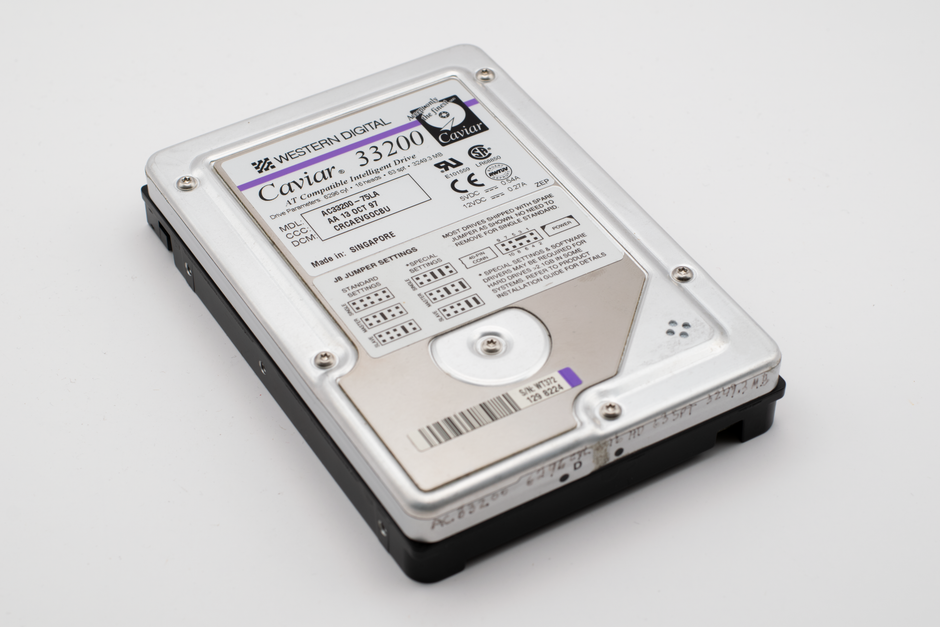
The direct impact on telecom operators (telcos) and infrastructure providers is multifaceted, affecting CapEx strategy, vendor negotiations, and technology roadmaps. Firstly, the reduced investor euphoria translates into more conservative production expansion plans by memory fabs. While this may ease fears of a supply glut, it also means that long-term supply agreements (LTAs) negotiated during the peak may need revisiting. Telcos engaged in multi-year digital transformation projects, such as AT&T, Verizon, Deutsche Telekom, or Reliance Jio, must assess the risk of component cost volatility against their rollout schedules.
Secondly, the shift benefits integrated hardware vendors and original design manufacturers (ODMs) who procure memory at scale. Companies like Dell Technologies, Hewlett Packard Enterprise, and Nokia’s Cloud and Network Services division may gain improved margin flexibility or be able to offer more competitive pricing on cloud-native network solutions. For mobile network operators (MNOs) deploying virtualized radio access networks (vRAN) or centralized units (CUs)/distributed units (DUs), the total cost of ownership (TCO) for the underlying commercial off-the-shelf (COTS) hardware could see favorable adjustments.
Conversely, the downturn pressures pure-play memory manufacturers to seek more stable, long-term anchor customers—a role telcos and hyperscale cloud providers (who also build telecom infrastructure) are well-positioned to fill. This could lead to strategic partnerships where telcos secure favorable pricing and supply guarantees in exchange for volume commitments, effectively hedging against future price spikes when the next demand cycle, potentially driven by 6G R&D or massive IoT, emerges.
Regional Implications: Africa, MENA, and Emerging Market Dynamics

The implications of this memory market shift are particularly pronounced for telecom development in Africa and the Middle East and North Africa (MENA) region. These markets are characterized by rapid mobile data growth, increasing investments in carrier-neutral data centers, and a push towards national cloud and digital sovereignty initiatives. A more predictable, if not lower, cost structure for core data center components can accelerate these projects.
For instance, initiatives like the African Data Centres expansion, WIOCC’s investment in open-access digital infrastructure, or the Gulf Cooperation Council (GCC) nations’ visions (e.g., Saudi Arabia’s Vision 2030, UAE’s Digital Economy Strategy) rely heavily on importing server and storage hardware. A softening in the global memory market reduces the dollar-denominated CapEx for these projects, improving their internal rate of return (IRR). It also allows regional operators like MTN, Vodacom, Safaricom, STC, or e& to more aggressively pursue enterprise cloud and IT services, as their own infrastructure costs moderate.
However, a note of caution: emerging markets are often last in line for allocation during component shortages and first to feel the effects of vendor margin protection strategies. While global prices may dip, local distributors may not immediately pass on savings. This underscores the need for regional operators and governments to engage in direct, strategic procurement and consider local assembly or technology transfer agreements to gain better control over the hardware supply chain.
Strategic Outlook and Forward-Looking Analysis

The current recalibration in the memory market is a cyclical event within a secular growth trend. Demand for data storage and processing within telecom networks continues its inexorable rise, fueled by 5G-Advanced, network slicing, AI-driven network optimization, and the proliferation of edge computing nodes. The present downturn offers a strategic window for telecom infrastructure players.
Network operators should use this period to: 1) Re-negotiate hardware contracts with their system integrators and OEMs, locking in favorable terms for upcoming deployment phases; 2) Accelerate proof-of-concepts (PoCs) for memory-intensive applications like AI-powered network analytics, real-time video processing, and immersive metaverse services, as the cost barrier to entry is temporarily lowered; and 3) Strengthen supply chain resilience by diversifying supplier bases and exploring alternative memory technologies or architectures that may offer better long-term TCO.
For investors and infrastructure funds focused on telecom, the memory stock sell-off highlights a broader theme: the transition from speculative, hype-driven investment to fundamentals-based valuation of enabling technologies. The real value in the telecom stack is shifting towards software, integration, and energy-efficient operations. While memory remains a critical commodity, its pricing volatility reinforces the strategic advantage of operators who control their software destiny and can abstract hardware dependencies through cloud-native principles. The coming 12-18 months will be a test of procurement savvy and strategic foresight for telcos worldwide, as they navigate a component market in transition to build the resilient, intelligent networks of the future.
About the Author