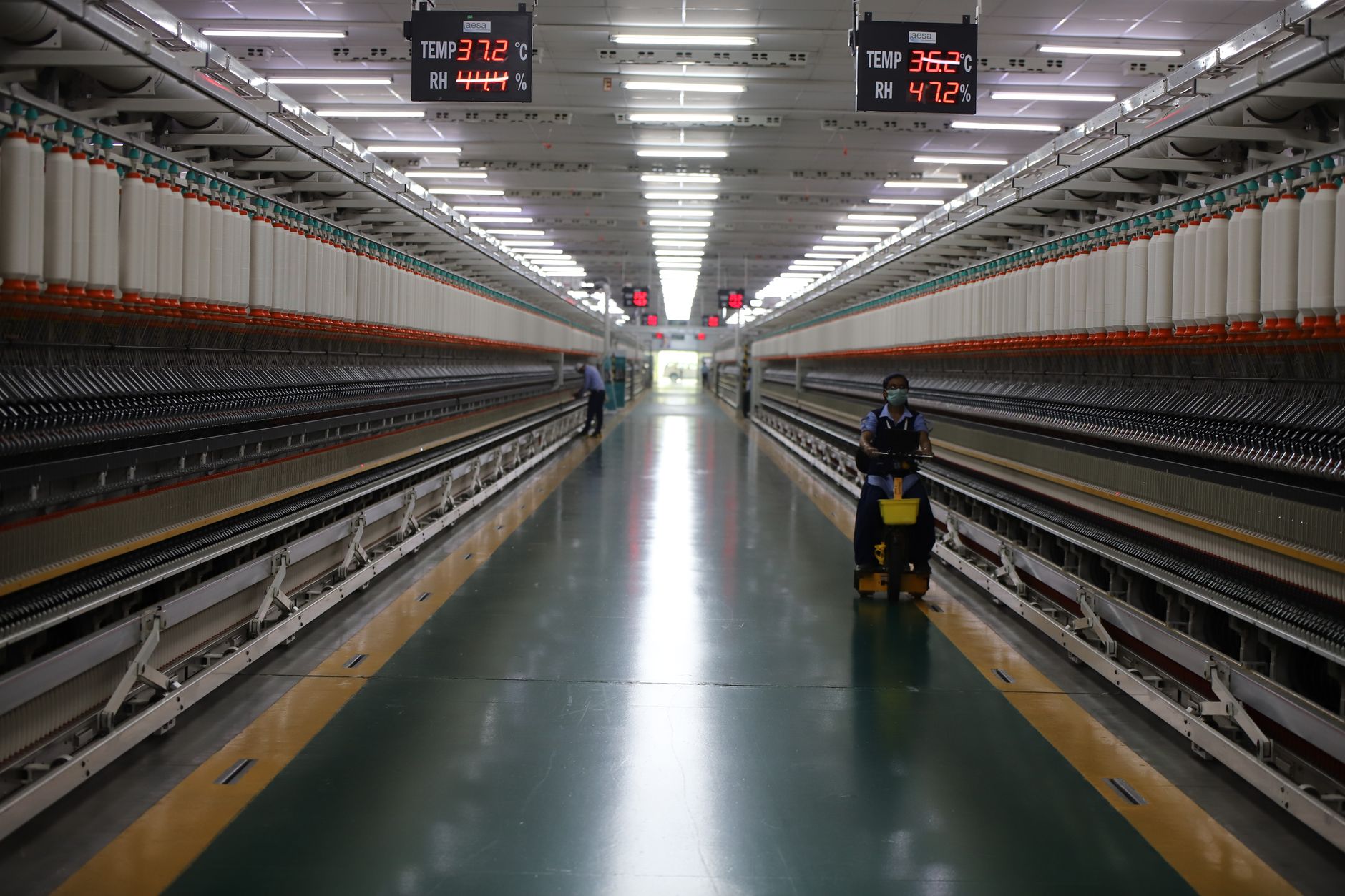
India Targets $150B Telecom Component Hub by 2031, Reshaping Global Supply Chains
Source: A report from Kotak Mutual Fund, cited by ETTelecom on August 24, 2026, outlines a strategic roadmap for India to become a global electronics manufacturing powerhouse, with profound implications for the telecommunications hardware sector. The analysis projects India’s domestic electronic component production to surge from $10.5 billion currently to $150 billion by the financial year 2030-31 (FY31), a 14-fold increase. This expansion is core to achieving a national goal of $500 billion in total electronics production by the same date.
For global telecom operators, infrastructure vendors, and network strategists, this pivot represents more than a macroeconomic statistic. It signals a deliberate and heavily subsidized effort to localize the supply chain for critical network elements—from 5G radios and fiber optic transceivers to power supplies and passive components. This move, driven by India’s Production Linked Incentive (PLI) schemes and geopolitical supply chain diversification pressures, will alter procurement strategies, cost structures, and competitive dynamics for telecom equipment worldwide. The ambition to capture a larger share of the value chain, moving beyond final assembly to core component manufacturing, positions India as a future challenger to established hubs in China, Taiwan, and Southeast Asia for telecom infrastructure gear.
Anatomy of the Ambition: From PLI Schemes to a $150B Component Ecosystem
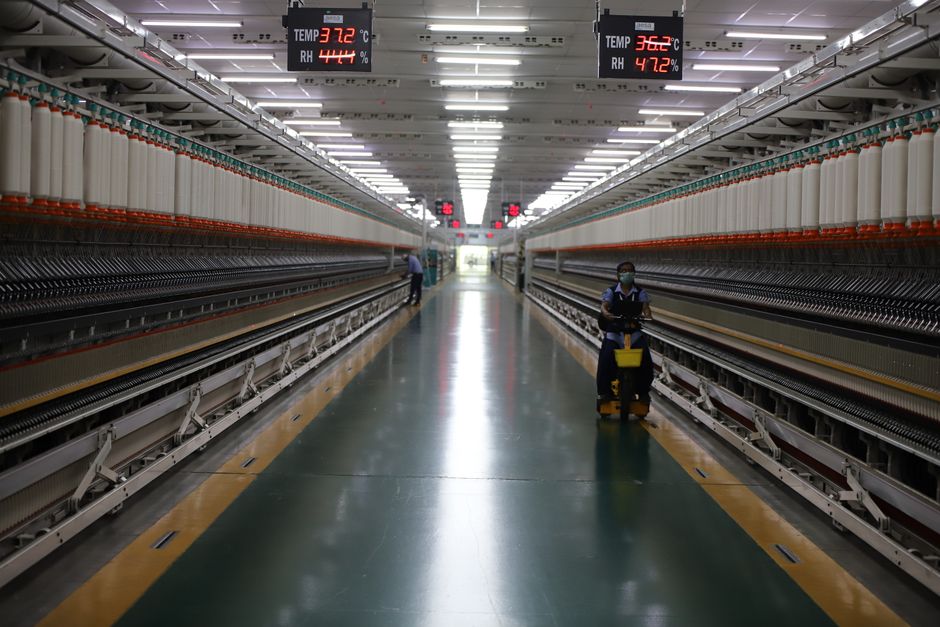
The Kotak report crystallizes a multi-year policy push into a tangible growth trajectory. The component production target is not aspirational but tied to specific, high-value sub-sectors critical to telecom:
- Printed Circuit Board Assemblies (PCBAs): The foundational layer for all active network equipment. Localizing PCBA production reduces lead times and import dependency for Indian OEMs and global vendors manufacturing in India.
- Semiconductors & ICs: While full-scale leading-edge fab construction is a longer-term play, the focus is on assembly, testing, marking, and packaging (ATMP) and fabrication of mature-node chips for power management, displays, and sensors used in consumer devices and IoT modules.
- Electro-Mechanical Components: This includes enclosures, connectors, antennas, and structural parts for base stations, data centers, and customer premises equipment (CPE).
- Display Panels & Sub-Assemblies: Vital for smartphones, tablets, and industrial HMIs used in network management.
- Battery Packs & Power Systems: Essential for mobile devices, IoT endpoints, and backup power for network sites—a key reliability factor in regions with unstable grids.
The growth from $10.5B to $150B implies a compound annual growth rate (CAGR) of approximately 40%. This will be fueled by a combination of PLI incentives, which provide a 4-6% financial boost on incremental sales of manufactured goods, and the Phased Manufacturing Programme (PMP), which imposes graduated tariff increases on imported components to spur local sourcing. Major global contract manufacturers like Foxconn, Pegatron, and Flex have already established substantial operations in India, primarily for smartphones. The next phase involves deepening their supplier networks in-country.
Impact on Telecom Operators and Network Infrastructure Vendors

The localization drive creates a dual-edged scenario for the telecom industry. For Mobile Network Operators (MNOs) and infrastructure buyers in India and other price-sensitive markets, the long-term promise is reduced equipment costs and greater supply chain resilience. A localized component base can insulate Indian telcos like Reliance Jio, Bharti Airtel, and Vodafone Idea from global logistics shocks and currency volatility. It could also accelerate the rollout of cost-optimized 5G and fiber-to-the-home (FTTH) equipment tailored for the Indian market.
For global infrastructure vendors—Ericsson, Nokia, Huawei, Samsung, Cisco, and Juniper—the imperative is clear: increase local value addition or risk losing market share. The Indian government’s preferential market access (PMA) policies for public procurement already favor goods with higher domestic content. Vendors are responding by expanding their Indian R&D and manufacturing footprints beyond final assembly kits (FAK). Ericsson, for instance, has exported 5G radios from its Pune plant. Nokia’s Chennai factory is a global export hub. The new component targets will pressure these vendors to source more PCBAs, cabinets, and line cards from Indian suppliers, potentially creating a new tier of Indian component champions.
The strategy also impacts the rollout of Open RAN. A robust local component ecosystem could lower barriers to entry for Indian Open RAN software and hardware startups, providing them with a ready supply chain for radios and distributed units (DUs). This aligns with government ambitions to foster indigenous telecom technology.
Strategic Implications for Africa, MENA, and Global Telecom Dynamics

India’s component push has significant ripple effects beyond its borders, particularly in Africa and the Middle East and North Africa (MENA) region. These markets share similarities with India: price sensitivity, growing mobile data demand, and strategic desires for digital sovereignty. India’s success in creating a cost-competitive manufacturing base could position it as the primary supplier of affordable telecom infrastructure for the Global South.
- Alternative Supply Chain for Africa: African operators, historically dependent on Chinese and European vendors, may gain a viable third option. Indian-manufactured towers, power systems, fiber cables, and 4G/5G radios could be more affordable and come with financing tied to Indian development banks.
- MENA Diversification: Gulf nations like Saudi Arabia and the UAE, pursuing their own industrial diversification under Vision 2030 and similar programs, may find partnership opportunities with Indian component firms for their nascent tech manufacturing zones.
- Global Vendor Strategy Shift: The “China+1” supply chain strategy is evolving into a “China+India+Vietnam” matrix. Global vendors will likely design products with modularity to allow for flexible sourcing of components from these hubs based on cost, capability, and trade policy. India’s scale aims to make it indispensable for certain high-volume, medium-complexity components.
- Submarine Cable & Data Center Gear: As India builds out its digital infrastructure, local production of power distribution units, cabling, and racks for data centers, as well as components for submarine cable landing stations, will become economically viable, influencing projects across the Indian Ocean region.
Forward-Looking Analysis: Component Sovereignty as the New Telecom Battleground

The report underscores a broader, irreversible trend in global telecom: the strategic prioritization of component sovereignty. Just as nations view spectrum and fiber as critical national assets, the manufacturing capability for the physical hardware that runs networks is now in the same category. India’s $150 billion target is a direct challenge to East Asian dominance and a blueprint for other large emerging economies.
For telecom executives, the implications are operational and strategic. Procurement teams must develop deeper supplier relationships in India and factor in PLI benefits when evaluating total cost of ownership. Network strategy must consider the long-term availability and support cycles for equipment with high Indian content. For investors, the growth trajectory will create opportunities in Indian industrial parks, logistics, and component testing facilities.
The road to FY31 will face hurdles: scaling skilled labor, ensuring consistent quality, and managing the capital intensity of semiconductor plants. However, the combination of policy force, market size (India is the world’s second-largest telecom market), and geopolitical tailwinds makes this component growth plan a central pillar of the next decade’s telecom infrastructure landscape. The era of telecom hardware globalization is giving way to an era of strategic regionalization, with India poised to be a cornerstone of this new architecture.
About the Author